 F2P · Live
Lineage 2 Essence
Lineage 2 Essence is NCSoft's free-to-play take on the classic Korean MMORPG Lineage II, built around faster…
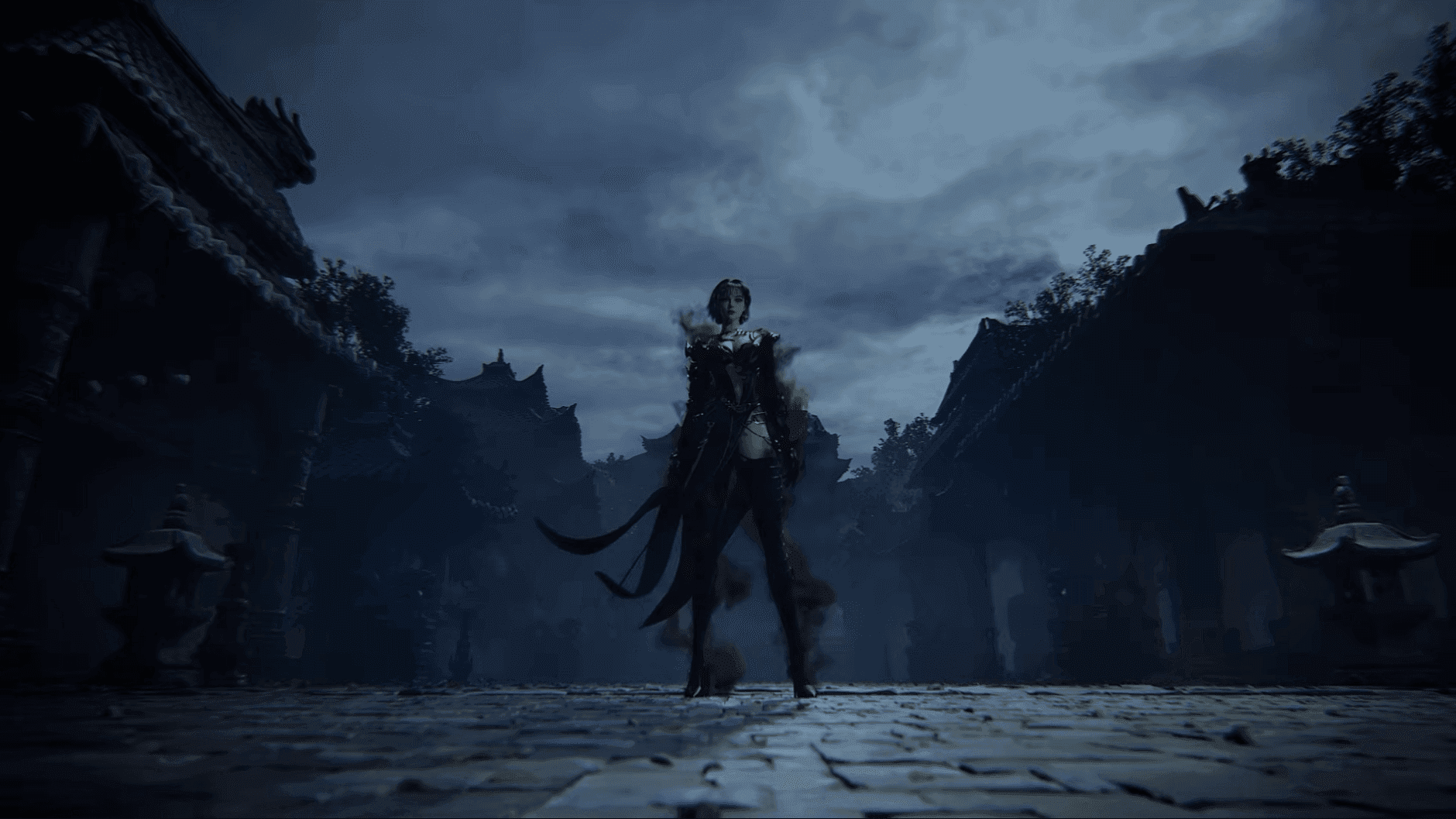
An official classic relaunch of the legendary martial arts action MMORPG developed by NCSOFT, natively rebuilt on Unreal Engine 4. The project brings players back to the celebrated "Golden Era" of the...
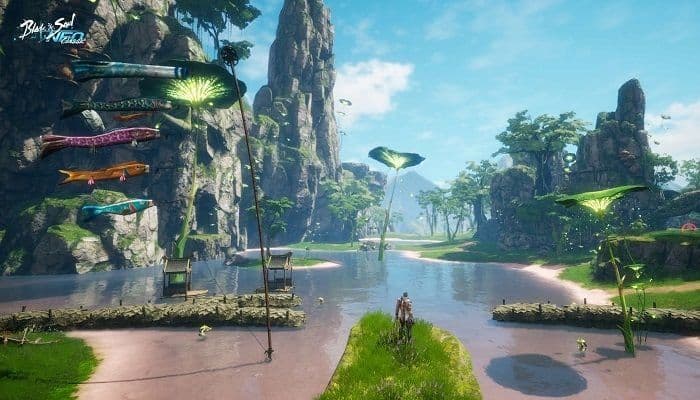
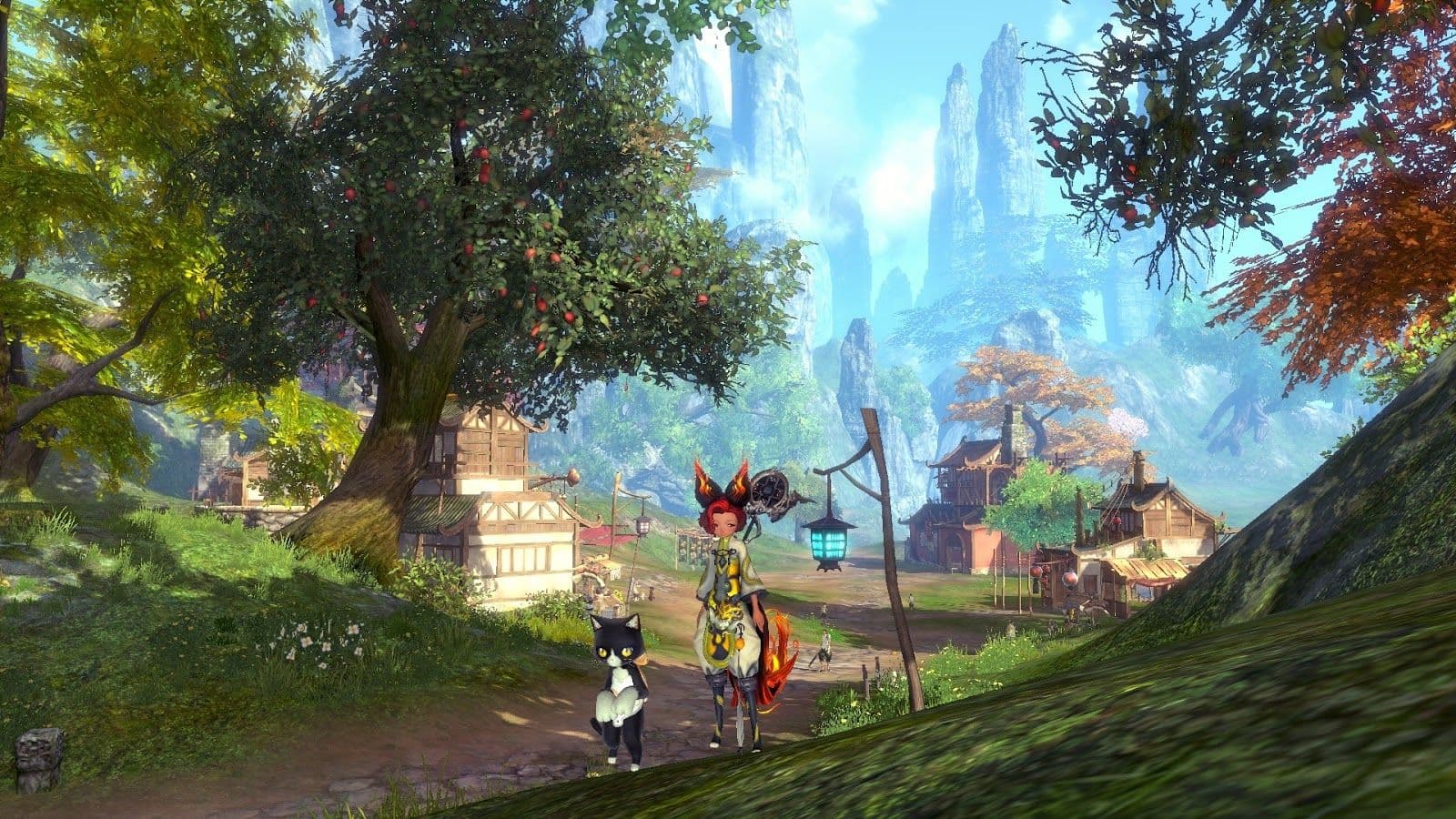
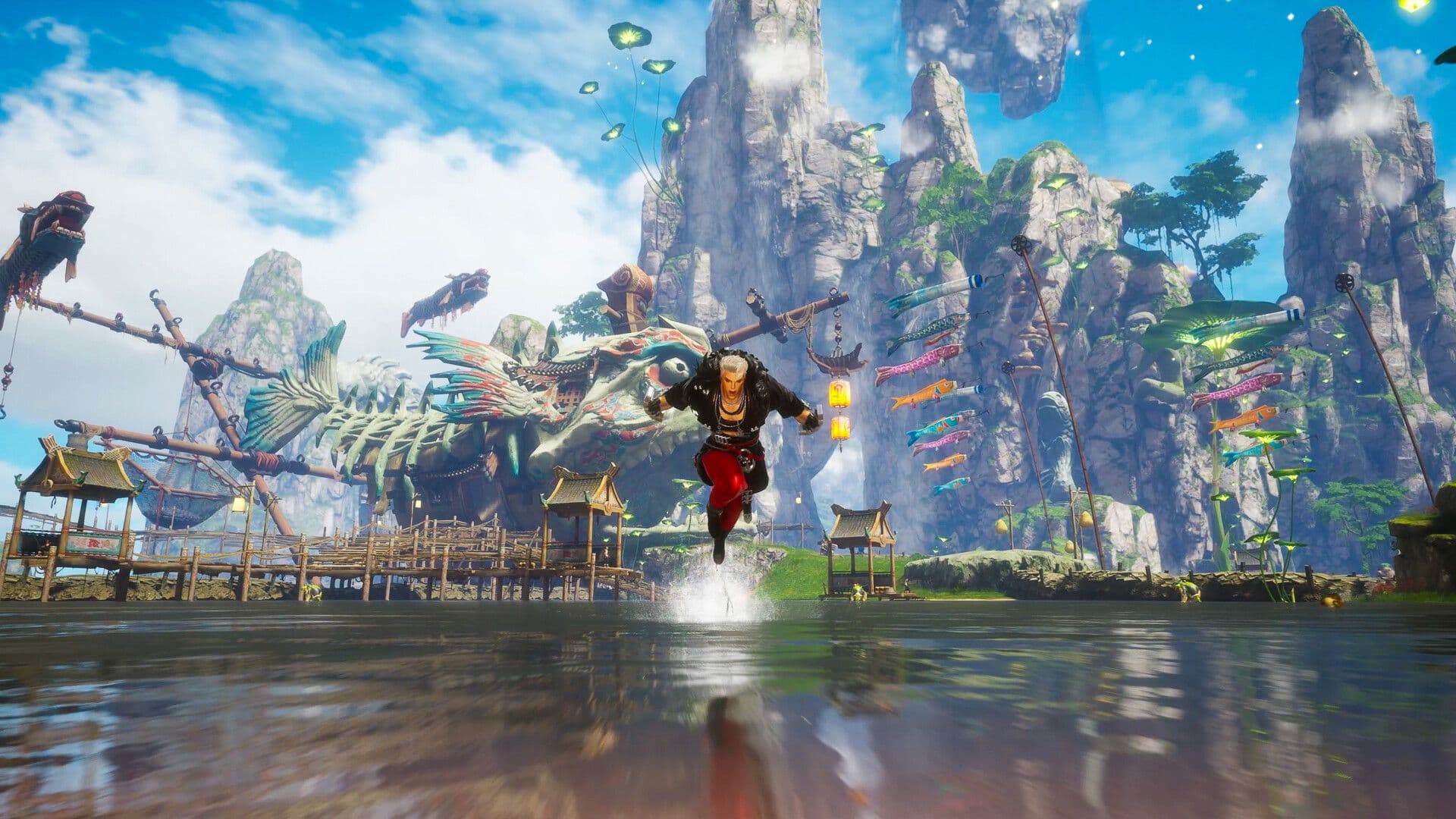
Quick take: Blade & Soul NEO is an official classic reboot of the iconic Korean action MMORPG by NCSOFT, developed natively on Unreal Engine 4 and launched in South Korea in late 2024 before rolling out globally in early 2025. The project rewinds the timeline back to the beloved "Golden Era" of the level 45 cap featuring Moonwater Plains and the Blackram Supply Chain dungeon, completely stripping away a decade of bloated live-service systems. Delivering gold-standard crosshair non-target combat inspired by high-flying wuxia martial arts movies, revolutionary stamina-free traversal, an overhauled Mugong skill progression system, and purely cosmetic wardrobes, the game operates under a Free-to-Play model.
Over its twelve-year lifespan, the original Blade & Soul walked a turbulent path from genre-defining pioneer to a textbook victim of live-service bloat. Back in 2012, its blisteringly fast action combat and wuxia acrobatics revolutionized the MMORPG landscape. By the early 2020s, however, the experience had been buried beneath dozens of convoluted vertical gear treadmills, predatory Trove lootbox events, and runaway damage numbers reaching into the tens of millions—drowning out the intricate fighting-game nuance that once defined it. When a clumsy engine port to Unreal Engine 4 in the 2021 "Revival" update failed to fix underlying architectural decay, NCSOFT made a bold strategic pivot: building a standalone, clean-slate classic relaunch dubbed Blade & Soul NEO (NEO Classic).
For newcomers stepping into the Earthen Realm for the first time, Blade & Soul NEO plays like a high-octane, cinematic martial arts blockbuster. You won't find tab-targeting hotbar rotations here; gameplay revolves around a dynamic mouse-driven crosshair, where landing hits, executing split-second parries, and juggling enemies in mid-air depend entirely on player reflexes and muscle memory. The world completely eschews clunky ground mounts: your avatar is the ultimate instrument of movement, effortlessly sprinting across lakes, running up sheer rock faces, and gliding above mountain mists amidst bamboo groves and floating sanctuaries.
For series veterans, Blade & Soul NEO serves as a long-awaited time machine, transporting the community back to the game's undisputed historical pinnacle: the level 45 cap. Players once again journey through the coastal serenity of Bamboo Village, the baking canyons of the Cinderlands, and the sprawling highlands of Moonwater Plains, culminating in high-stakes showdowns against the gatling-gun-toting Pohwaran and solo climbs up Mushin's Tower. Yet NEO is far from a lazy museum rollback; it represents a modern mechanical reinterpretation:
Visually, the project remains unflinchingly faithful to the iconic aesthetic legacy of art director Hyung-Tae Kim. His signature design language—exaggerated human proportions, flowing silk fabrics, and striking wuxia sensuality—shines under modern volumetric shaders. Crucially, NEO preserves the franchise's defining philosophical pillar: armor does not exist as a wearable gear stat. Outfits, robes, and combat uniforms function strictly as vanity cosmetics, while actual offensive and defensive parameters derive entirely from internal Soul Shields, relics, and evolving Hongmoon weaponry.
While the overwhelming majority of traditional MMORPGs solve world traversal by slapping a saddle onto a horse, a flying gryphon, or a mechanical motorbike, Blade & Soul turns the player avatar into an acrobatic marvel. There are no stables, reins, or mounting cast bars here: your character channels ancient Taoist mastery over internal chi energy, a martial discipline known as Windwalk. Double-tapping the forward key or holding down the sprint modifier propels the warrior forward at superhuman velocities, transforming rugged terrain into a boundless playground of fluid wuxia parkour.
For newcomers, experiencing this movement system in Blade & Soul NEO delivers an exhilarating cinematic rush. Leaping off a sheer kilometer-high cliff above a bamboo canyon does not send you plummeting to your doom; tapping the spacebar unfurls invisible chi wings, effortlessly transitioning your momentum into an elegant glide through mountain mist. Approaching an expansive lake, your warrior does not slow down to paddle clumsily through the water, but skim across the surface like a pond skater, kicking up walls of glistening spray. Confronted by a sheer ninety-degree fortress wall or a jagged stone precipice, the hero defies gravity by sprinting straight up the rock face, vaulting off the ramparts to dive headfirst into enemy ranks below with a thunderous aerial opener.
Veterans of the 2012 launch and the ongoing Live service will acutely recall the bitter pill that poisoned this magnificent locomotion: the punitive green stamina bar. In the original game, airborne glides sputtered out after a measly twelve seconds, causing players to drop like stones into packs of lethal mobs before forcing them to jog along on foot while waiting for the meter to recharge. Squeezing out tiny stamina increments demanded weeks of completing tedious fetch quests for the eccentric hermit Old Man Cho, paying exorbitant auction prices for ceremonial fans, brass bells, and dragon bone elixirs. In Blade & Soul NEO, the team at NCSOFT implemented a transformative quality-of-life revolution: Infinite Windwalk.
Embracing Infinite Windwalk fundamentally alters the scale of the world. Regions that felt sluggish or exhausting in the original—such as the endless dunes of the Cinderlands or the vertical terraces of Moonwater Plains—flow by with brisk momentum in NEO. By eliminating outdated artificial travel gating, the game allows players to focus all their attention on its greatest asset: exhilarating martial arts combat.
From its inception, the combat engine of Blade & Soul established an untouchable benchmark for online action role-playing games. While competing MMOs leaned heavily on tab-target mechanics and passive statistical exchanges, Team Bloodlust crafted a three-dimensional fighting game disguised as an expansive theme-park MMORPG. Control is hard-wired to an agile crosshair: camera tracking binds directly to mouse movement, Left and Right Mouse Buttons (LMB / RMB) dictate primary attack stances and combo starters, numbered keys "1-4" and "Z-X-C-V" govern situational martial techniques, while context-sensitive "Tab" and "F" inputs illuminate only when precise tactical opportunities emerge on the battlefield.
For newcomers, skirmishes feel akin to playing a high-stakes fighting game like Tekken or Street Fighter seamlessly mapped onto an open landscape. There is no abstracted dice-roll evasion: if an enemy blade descends toward your warrior, you have fractions of a second to raise an active block, time a counter-parry, or slip behind the foe using dedicated invulnerability frames (i-frames) on Q, E, or the double-tap backwards dash on SS. Combat thrives on continuous micro-control chains: parrying an incoming blow on reaction stuns the opponent, setting up sweeps, knockdowns, and the airborne launcher (Airborne), allowing you to unleash aerial juggles before the helpless enemy crashes back to earth.
Even character defeat is framed through engaging gameplay drama via the Near Death state. When health hits zero, warriors do not perish outright: they collapse onto their knees, crawling desperately away from the epicenter of violence toward safety to initiate chi meditation (Chi Recovery). Provided teammates fend off stray attacks for twenty seconds, the character rises unassisted with half of their maximum health, completely bypassing punishing corpse runs from distant graveyards.
In the original Live game, the skill architecture endured painful degradation: transitioning from an intricate classic talent tree into rigid branches, before ultimately devolving into third Awakening specializations equipped with a one-button "Simple Mode" macro that automated optimal rotations on hold. In Blade & Soul NEO, NCSOFT completely rebuilt skill progression around the Mugong (Divine Arts) system:
Group coordination in Blade & Soul NEO centers on the iconic Joint Attack crowd-control system. Heroic dungeon bosses are entirely impervious to single-target debuffs; their health bars display dual color-coded status meters. When a boss winds up a catastrophic room-clearing swing, party members must coordinate identical control types within a split-second window: delivering either two green knockdowns (Knockdown), two blue stuns (Stun), or two red dazes (Daze). If one player sweeps while another initiates a stun, the meters cancel out, the boss cast proceeds uninterrupted, and the entire team faces a swift wipe. This demanding synergy makes every dungeon run in NEO a thrilling dance along a razor's edge.
From character creation onward, Blade & Soul immerses players in an authentic Eastern mythological tapestry where choosing a race is no superficial cosmetic choice. Rather than recycling Western fantasy staples of elves and dwarves, the game's bestiary derives inspiration from the four mythical guardian beasts of ancient East Asian cosmology:
For newcomers, class distribution in Blade & Soul NEO presents an intuitive, sharply defined martial arts ensemble where every discipline exhibits distinct tactile tempo. The Blade Master serves as a versatile duelist, seamlessly alternating between defensive blade blocks and hyper-fast draw stances to maintain primary tanking agro while facing bosses head-on. The Kung Fu Master represents the pinnacle of close-quarters brawl complexity, anchoring survival on sub-second elbow parries, unrelenting pressure kicks, and physically pinning downed foes to the dirt. The Destroyer hefts a colossal greataxe into battle to spin through enemy crowd control and, most critically, hoist stunned bosses overhead in an iron grip (Grab), creating vulnerability windows for the entire party. Ranged control is dictated by the Force Master alternating frost snares with fiery bombardments, the elusive Assassin weaving poison stacks, smoke veils, and backstabs, alongside the Summoner, commanding a feline familiar capable of taunting raid targets and broadcasting group-wide health blooms.
For seasoned veterans, the launch roster of Blade & Soul NEO offers welcome relief from the chaotic bloat of the late-stage Live environment. Over twelve years, the original game ballooned to 15 disparate classes, where the introduction of dual-pistol gunslingers, astromancers, and musicians completely eroded class identity into an indecipherable kaleidoscope of neon spell particles, while third specializations upended competitive balance. In NEO, the developers reinstated the disciplined, mathematically balanced classic cohort:
Reverting to a tightly curated roster highlights the brilliant design economy of early Blade & Soul. There are no redundant or forgotten classes here—every archetype serves an irreplaceable tactical function, transforming party assembly into an engaging strategic endeavor rather than an uninspired pursuit of raw DPS numbers.
The campaign of Blade & Soul always stood apart in an Asian MMORPG ecosystem notorious for reducing world-building to mindless boar-slaying chores. Team Bloodlust penned an authentic wuxia tragedy—an intimate personal drama chronicling discipleship, sudden betrayal, unquenchable thirst for blood vengeance, and the harrowing spiritual toll of yielding to demonic dark chi. The presentation unfolds with cinematic flair: dozens of fully voice-acted cutscenes showcasing acrobatic martial choreography that easily rival high-budget single-player action titles.
For newcomers, the game's prologue on the serene mountain sanctuary of Heaven's Reach delivers an immediate emotional gut-punch. Players begin as the junior apprentice of the Hongmoon School, practicing foundational meditation and stances under the kindly guidance of Master Hong. This idyllic morning is violently shattered when storm clouds gather and the ruthless warrior Jinsoyun storms the temple alongside her demonic cohorts, Yura and Gubong. To save his young student's life, Master Hong relinquishes the sacred blade known as Twilight's Edge and pays with his life. Struck down with the cursed Mark of the Black Rose festering in their chest, the surviving protagonist plunges into the ocean below. Rescued by coastal fishermen near Bamboo Village, the warrior embarks on an epic quest for retribution across three breathtaking biographical territories: the coastal bamboo groves of the Viridian Coast, the scorched ravines of the Cinderlands, and the majestic waterfalls of Moonwater Plains.
For series veterans, the revitalization of the classic story campaign in Blade & Soul NEO rescues the narrative from the grotesque distortions of the modern Live service. Over time, the main game's leveling arc was warped into a disorienting two-hour autopilot dash: yellow main quests showered players with millions of artificial experience points, hundreds of evocative side quests were amputated, and beginners were forcibly shoved through twelve story acts into an empty endgame. In NEO, narrative pacing has been restored to its rightful glory:
Within NEO's revitalized framework, Jinsoyun reaffirms her position as one of the most compelling antagonists in the history of online gaming. She is no cartoonish villain seeking cosmic destruction for its own sake, but a tragic figure driven by the agonizing trauma of past betrayal by the Four Guardians. Witnessing her vengeance unfold under modern Unreal Engine 4 lighting provides immense theatrical satisfaction for newcomers and returning veterans alike.
The level 45 endgame of original Blade & Soul cemented its place in the pantheon of action MMORPG history. In stark contrast to Western raiding conventions where two dozen adventurers chip away at stationary damage sponges, Korean instances prioritized intimate four- and six-player strike teams, blistering reaction times, and unforgiving mechanical choreography. You cannot out-stat these encounters through passive gear brute-forcing: a mistimed joint crowd-control stun or a failed defensive i-frame spells swift and absolute party annihilation.
For newcomers, stepping into the iconic Blackram Supply Chain for the first time is an unforgettable rite of passage. This sprawling coastal pirate stronghold situated within the Moonwater Plains pits players against a gauntlet of lethal bosses: from the poison-flinging chef Tae Jangum to the grand finale against the legendary Pohwaran. Sporting two-tone pigtails, an eyepatch, and a massive multi-barrel Gatling gun, this diminutive pirate vice-admiral never stays stationary. She blankets the arena in heavy gunfire, rockets into the rafters to unleash mortar barrages, arms room-wide frost mines, and unleashes a pair of vicious combat tigers. Surviving her sub-zero freezing waves requires party members to sprint to steam vents on precise stopwatches, chain invulnerability frames, and coordinate synchronized knockdowns.
The next rung on the cooperative ladder is Bloodshade Harbor, the naval fortress commanded by Fleet Admiral Hae Mujin—a colossal martial arts titan who also happens to be Pohwaran's doting grandfather. His combat repertoire features earth-shattering meteor drops, shadow phantom clones, and swirling kinetic whirlwinds that demand immaculate tank positioning from front-line Blade Masters and Kung Fu Masters.
In the modern Live service, these historic dungeons languished as abandoned relics: over-geared characters could delete Pohwaran in a fraction of a second with a single basic attack, bypassing all boss mechanics. In Blade & Soul NEO, classic level 45 endgame raiding has been meticulously restored and elevated:
For solitary warriors who prefer relying exclusively on their own reflexes, Blade & Soul NEO throws open the doors to the revered Mushin's Tower. Ascending floors one through eight serves as the ultimate litmus test of individual class mastery: there are no teammates to absorb hits or resurrect you from near death. The legendary duel on the seventh floor against the noble master swordsman Junghado—weaving lightning-fast draw slashes and ice traps—alongside the brutal three-phase showdown against the incarnations of Darkness, Rage, and Pain on floor eight, pushes personal mechanical execution to its absolute zenith, rewarding victors with the most prestigious solo spoils of the era.
The progression philosophy of Blade & Soul boldly shattered established Western MMORPG conventions. You will never visit a blacksmith to purchase a new suit of plate armor or farm minor dungeon mobs hoping for rare blue boots. Because wearable attire functions exclusively as aesthetic vanity, combat effectiveness hinges entirely on a holy trinity of power: your evolving Hongmoon weapon, mystical Bagua stone plates, and accessory jewelry.
For newcomers, discovering the concept of Weapon Evolution is an empowering revelation. The game never forces you to discard your sword every five levels; the starter weapon gifted to your disciple in the prologue is a living artifact. By consuming hundreds of dropped axes and daggers collected across your travels, the weapon accumulates experience until hitting tier five, and eventually stage ten. To cross the threshold into a higher tier of lethal power—known as Breakthrough and Evolution—players must obtain a specific boss weapon (such as the blade of the Golden Deva or the Profane Jiangshi) alongside a crafted Transformation Stone. Fusing these elements transforms the weapon into higher forms—advancing from Base to Awakened (Awakened), and ultimately to True (True), dramatically changing the blade's visual silhouette, particle glow, and base damage scaling.
The bedrock of defensive and offensive survivability lies within the Soul Shield (Bagua / Trigrams)—a sacred octagonal medallion divided into eight numbered triangular slices. Individual pieces drop from open-world wheel-of-fate bosses, regional shrines, or heroic dungeon chests. Assembling matching sets of three, five, and eight slices unlocks massive passive bonuses to maximum health, critical hit rate, defense, and accuracy. Furthermore, players can manually enhance every slice via Fusion: sacrificing crafting powders and masterwork soul shields to permanently infuse maximum critical ratings into the medallion, tailoring their avatar into a devastating glass cannon or an impenetrable fortress.
In the modern Live service, this cohesive progression path was ruthlessly dismantled. Classic weapon evolution was scrapped in favor of disposable quest weapons, buried beneath a predatory labyrinth of disconnected gear sinks: Heart tiers, Soul gems, Pet Auras, Talismans, Splendor Stones, and +20 weapon enchantments prone to breaking on failure. In Blade & Soul NEO, NCSOFT resurrected the beloved classic evolution tree while introducing the modern mechanic of Soul Cores:
Reviving Bagua trigrams and linear weapon growth restores the intoxicating joy of character advancement to Blade & Soul NEO. Finally looting that elusive piece eight Soul Shield with a maximum critical roll feels like a monumental personal triumph, rather than an inconsequential drop in the infinite statistical ocean of the late-stage Live game.
Competitive player-versus-player combat historically served as the primary engine propelling Blade & Soul into the international spotlight. During its heyday, the title packed esports arenas across Seoul, earning widespread acclaim as the definitive "three-dimensional online fighting game." The developers split martial conflict into two distinct operational poles: pristine, equalized gladiatorial dueling within the closed Colosseum, and brutal, unscripted faction massacres across the sprawling Earthen Realm.
For newcomers, ranked 1v1 and 3v3 arena modes represent the pinnacle of competitive fairness thanks to comprehensive stat normalization (Equalized Gear). Stepping across the threshold of the arena completely zeroes out your weapon enhancement tier, Soul Shield rolls, and Soul Core socket rarities—all character attributes are locked to a uniform baseline template. Match outcomes rest entirely on mechanical mastery: successfully baiting an adversary's primary escape trinket (the iconic "Tab" breakout), reading animation startup frames, and punishing whiffed attacks with devastating airborne juggle loops. In the 3v3 Tag Match format, combat proceeds as sequential 1v1 bouts, but each team captain retains two short-window assists to deploy a teammate for emergency peel or combo extension.
The second pillar of PvP centers on the bitter ideological war between two irreconcilable factions: the noble, conservative Cerulean Order, fighting to uphold imperial law and ancient traditions, and the insurgent, fanatical Crimson Legion, championing free will and meritocratic power. Rather than enforcing open-world PK systems with punitive karma penalties, the game employs an ingenious wardrobe-driven toggle:
In the late-stage Live environment, competitive PvP suffered near-fatal blows from the runaway burst damage of third Awakening specializations and heavily monetized, gear-dependent 6v6 battlegrounds. In Blade & Soul NEO, the dueling Colosseum reclaims its former glory: the tightly tuned classic class roster restores the chess-like readability of individual matchups, where cooldown baiting holds immense tactical weight and reaching "Diamond" rank once again commands genuine server-wide respect.
The economic model of the original Blade & Soul triggered passionate debate across the MMO landscape for over a decade. On one hand, the game pioneered one of the fairest and most innovative party loot-distribution mechanics ever devised, thoroughly eliminating the scourge of ninja-looting. On the other hand, the late-stage Live service became notorious for unbridled pay-to-win monetization, epitomized by the infamous seasonal Trove event—a credit-card-fueled lootbox roulette that allowed high-spending players to purchase top-tier upgrade materials directly. The developers behind Blade & Soul NEO faced an immense challenge: restoring player trust and establishing a healthy player-driven economy.
For newcomers, dungeon reward distribution in Blade & Soul NEO is an absolute masterclass in equitable game design. There are no arbitrary dice rolls, master-looter corruption, or passive allocation. The moment a fallen boss drops a treasure chest, a live In-Dungeon Auction window appears directly on the screens of all party members:
The game's crafting economy similarly bypasses tedious manual gathering nodes. By joining crafting guilds like the Soul Wardens, the Forgekeepers, or the Merry Potters, players place work orders through automated contracts: artisan guilds manufacture Transformation Stones, unsealing charms, and buff potions in the background while the player explores dungeons or remains entirely offline. Completed goods are traded freely across the global F5 Marketplace, driven by classic supply-and-demand mechanics.
For series veterans, the pivotal question surrounding Blade & Soul NEO was the eradication of predatory Trove gambling. The reboot successfully abolished Trove, but during its Korean rollout in October 2024, NCSoft stumbled into an entirely new self-inflicted controversy: the Fatigue / Energy System.
In its global release, monetization in Blade & Soul NEO primarily revolves around the seasonal Neo Pass battle pass, optional premium membership granting quality-of-life perks (remote inventory storage, marketplace commission fee reductions), and an extensive cosmetic wardrobe. Because cosmetic clothing carries zero combat stats, purchasing swimsuits and custom martial arts robes remains purely an aesthetic transaction. Character progression in NEO is once again tied to in-game effort and mechanical skill, rather than endless swipes at a casino wheel.
The technical legacy of Blade & Soul has always been defined by challenging architectural compromises. The 2012 original was built on a heavily modified Unreal Engine 3 foundation that suffered from acute single-core CPU bottlenecks. During large-scale open-world boss fights and raids, frame rates routinely cratered into the mid-teens, turning the emergency Ctrl+F shortcut—which hid all other player models from view—into an iconic symbol of survival. A subsequent engine migration to Unreal Engine 4 in the 2021 "Revival" update failed to resolve these structural flaws, as a decade of legacy code triggered persistent memory leaks and inconsistent frame pacing. Developing Blade & Soul NEO on a dedicated, streamlined branch of Unreal Engine 4 offered the development team a rare opportunity to rebuild technical performance from a clean slate.
For newcomers, the game delivers the visual fidelity expected of a modern martial arts action title. The landscapes of the Earthen Realm feature atmospheric volumetric lighting, tranquil water surfaces mirror stormy skies, and advanced simulation physics lend convincing weight to flowing silks and hair during high-velocity maneuvers. The user interface scales cleanly to 1440p and 4K displays without visual degradation, while native gamepad support provides smooth couch-friendly play for story questing. Nevertheless, the non-target combat system enforces strict network latency requirements: achieving optimal responsiveness and executing split-second parries demands an internet ping under fifty milliseconds. Latency exceeding one hundred milliseconds turns defensive invulnerability windows into an unpredictable gamble.
For series veterans, the technical refinement of Blade & Soul NEO represents a long-awaited redemption:
Weighing its overall design pillars, the strengths and limitations of Blade & Soul NEO can be summarized as follows:
Final Verdict: Blade & Soul NEO represents a remarkably successful classic relaunch that modernizes foundational mechanics rather than merely banking on nostalgia. For newcomers, it provides an accessible gateway into one of the most mechanically rewarding action MMORPGs ever created, where victory is earned through keyboard dexterity rather than monetary expenditure. For veterans, it offers a genuine second chance to experience the golden age of their favorite martial arts world, free from the exhaustion of modern live-service bloat. If you crave intense dueling, the rush of wind in your ears, and uncompromising mechanical combat, the blade of the Hongmoon School is ready to cut through the clouds once more.